
“This award is a tribute to the fight of the family members of the victims of the dictatorship”
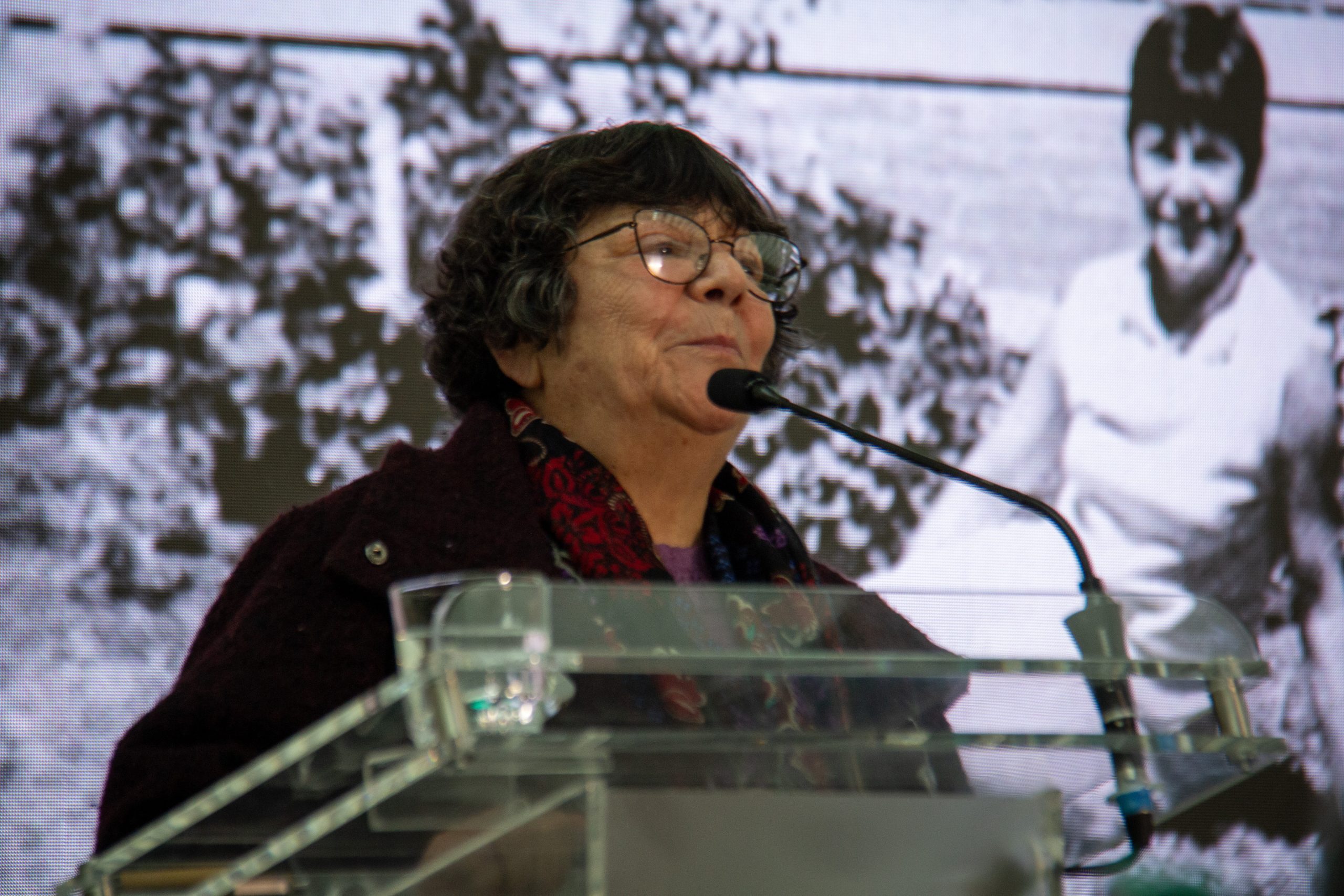 Alicia Lira Matus Received the 2026 National Human Rights Award
At a massive and moving ceremony held at the La Moneda Cultural Center, Alicia Lira, the historic leader of the Association of Relatives of Politically Executed Persons, received the award in recognition of her long career defending human rights, for transitional justice, the country’s historical memory, as well as her contribution to the National Search Plan and her work with victims of state violence both inside and outside Chile.
Lira received the award from Yerko Ljubetic, president of the National Institute of Human Rights (INDH), who highlighted the broad recognition of her career, as evidenced by the support she has received from social organizations, academics, and figures in the cultural world.
The INDH director placed this recognition within the context of the current political landscape and warned of the resurgence of rhetoric that downplays the human rights violations committed during the dictatorship. “We are also witnessing an assault on memory—on what happened in this country and on the terrible context of systematic human rights violations. Efforts to distort, alter, deny, and conceal the truth are also evident in these difficult times for democracy and human rights,” he stated.
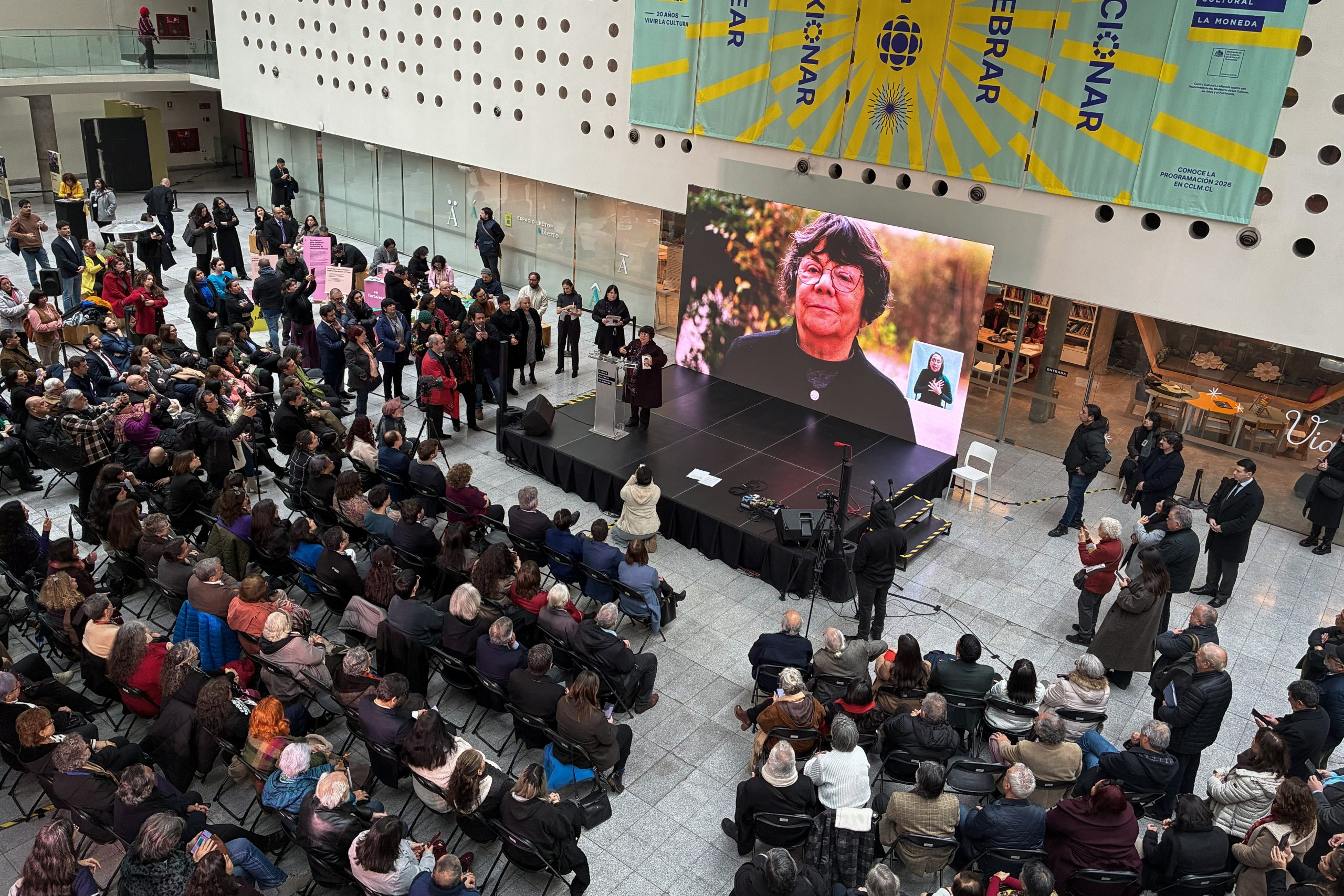 Meanwhile, the award recipient stated that “for me, this recognition—in the presence of so many fellow women who have fought alongside me on this long journey for truth and justice, facing obstacles and difficulties—is such a healing and dignified gesture. I share it with all those fellow women—those from the provinces, those from the regions—with whom we have stood together for decades in different places.”
“This award belongs to all of us,” Alicia Lira said in her speech. “It has been a long and terrible journey, but they never took away our joy, our hope, or our warmth—and we are a collective.” The leader also reaffirmed her political and social identity, defining herself as “a worker, a communist, and a human rights activist,” and maintained that the defense of human rights does not belong solely to those who were direct victims of the dictatorship, but rather constitutes a cause for all of society.
A Long Career
Alicia Lira was born in Concepción in 1948, and from a young age she took on the role of a union leader. Following the 1973 military coup, she was persecuted, and in 1986, the National Intelligence Agency (CNI) assassinated her husband, Felipe Rivera. These events prompted her to join the Association of Relatives of Political Prisoners and, later, the Association of Relatives of Politically Executed Persons (AFEP), an organization she has presided over since 2009.
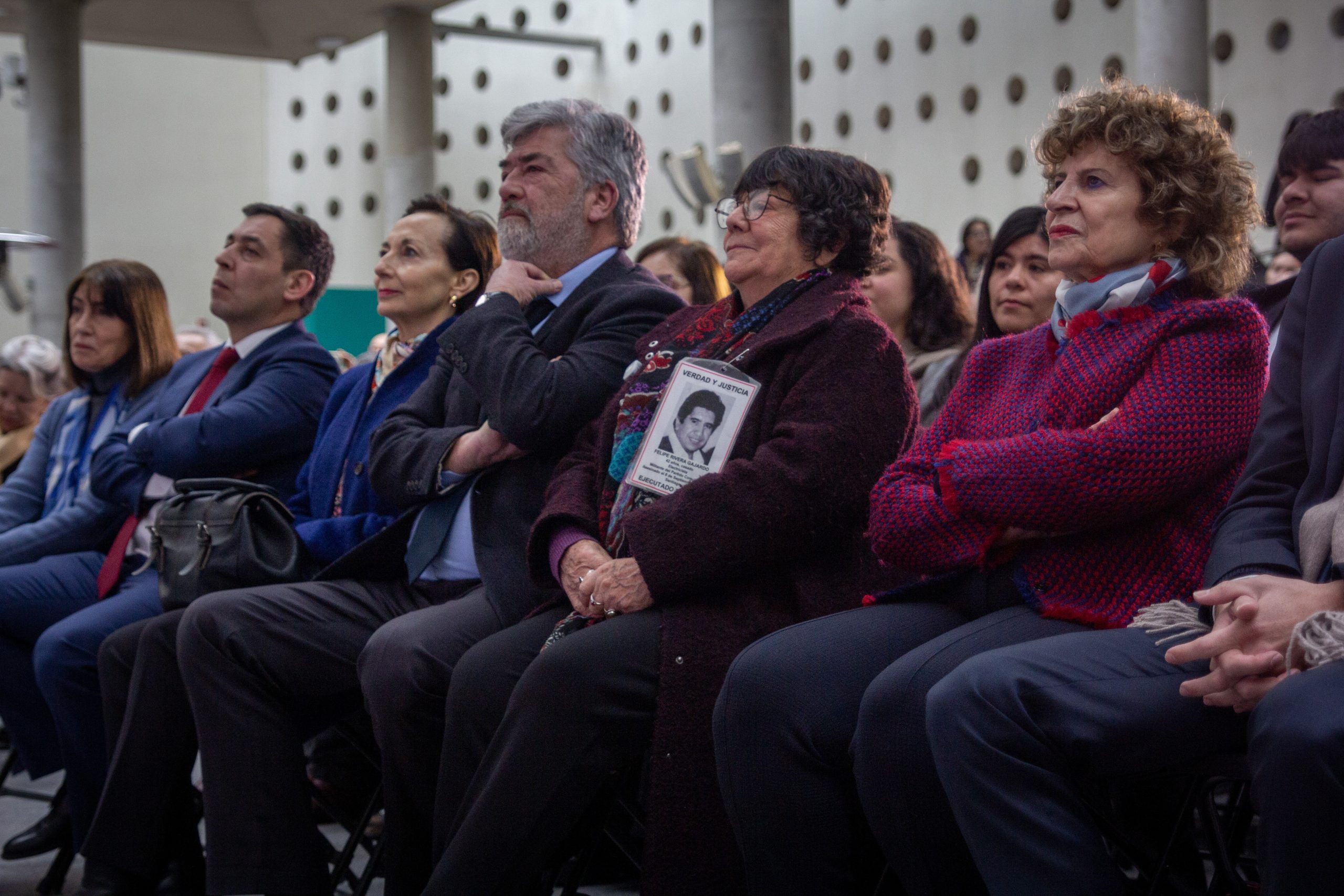 She is also a spokesperson for the National Human Rights Coordinating Committee and has received more than 18 awards in various fields. Her work has extended beyond Chile’s borders: she has participated in international campaigns, missions, and forums on human rights. Among other activities, she followed the legal proceedings against Augusto Pinochet in London, served as a human rights observer in Palestine, during the peace process in Colombia, and at the trial of former Guatemalan dictator Efraín Ríos Montt.