Educating Children About Their Rights For a More Democratic Society
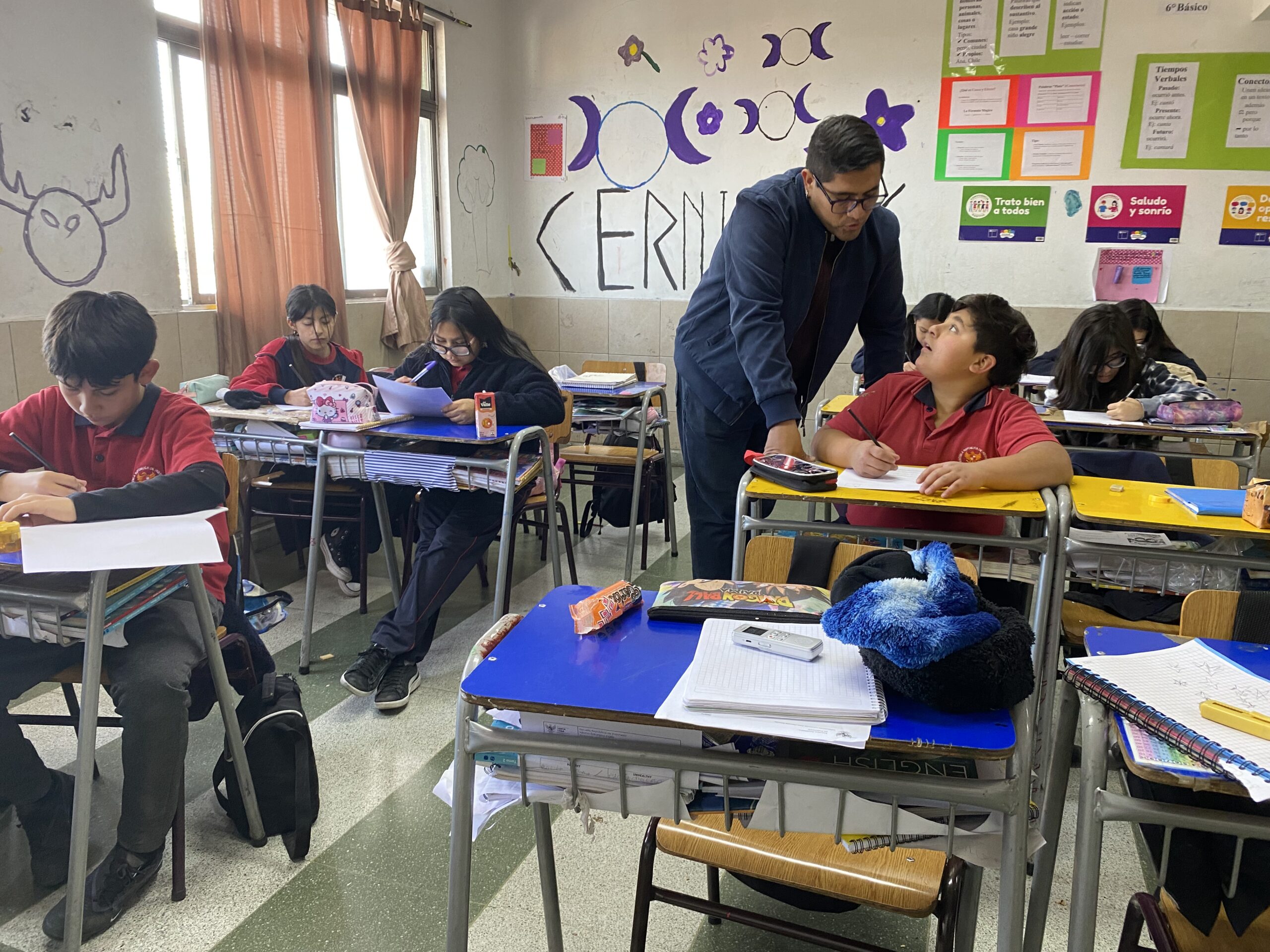
The PIDEE foundation reinforces its primary concern – the education of children and teenagers about their rights – with its most recent project formed in collaboration with presidential subsidies in four schools in Lo Espejo and San Joaquin.
In a world where democratic values and peaceful coexistence are eroding by the day, we urgently need to focus on action in key areas, starting with childhood. The best antidote to the erosion of basic values in society is to instill respect, liberty, and solidarity in younger generations. PIDEE is reinforcing this mindset with its newest project, which teaches children and teenagers about their rights. The program consists of year-long workshops in four schools in Lo Espejo and San Joaquín.
As part of this initiative, students from 2nd to 8th grade have explored children’s rights from both a theoretical and a practical perspective, through games and activities tailored to each grade level. Between the second semester of 2025 and the first semester of 2026, students at República de Indonesia and Clara Estrella (in Lo Espejo) and Fray Camilo Henríquez and Horacio Aravena Andaur (in San Joaquín) attended a total of 24 workshops led by PIDEE professionals trained for this work.
The goal of the intervention is to promote practices in schools that respect the rights of children and teenagers, and in doing so to help students at all four participating schools develop specific skills.
According to Fernando Flores, professor and project coordinator, “a school that fosters dialogue within its walls and is able to engage with the outside world is on a path of institutional growth. That growth makes its processes more flexible and expands its capacity to understand, explain, and transform the reality around it. Contributing to schools’ educational activities, especially in the area of school coexistence, with a conscious, rights-based approach, has been the hallmark of PIDEE’s work with the school system for years.”
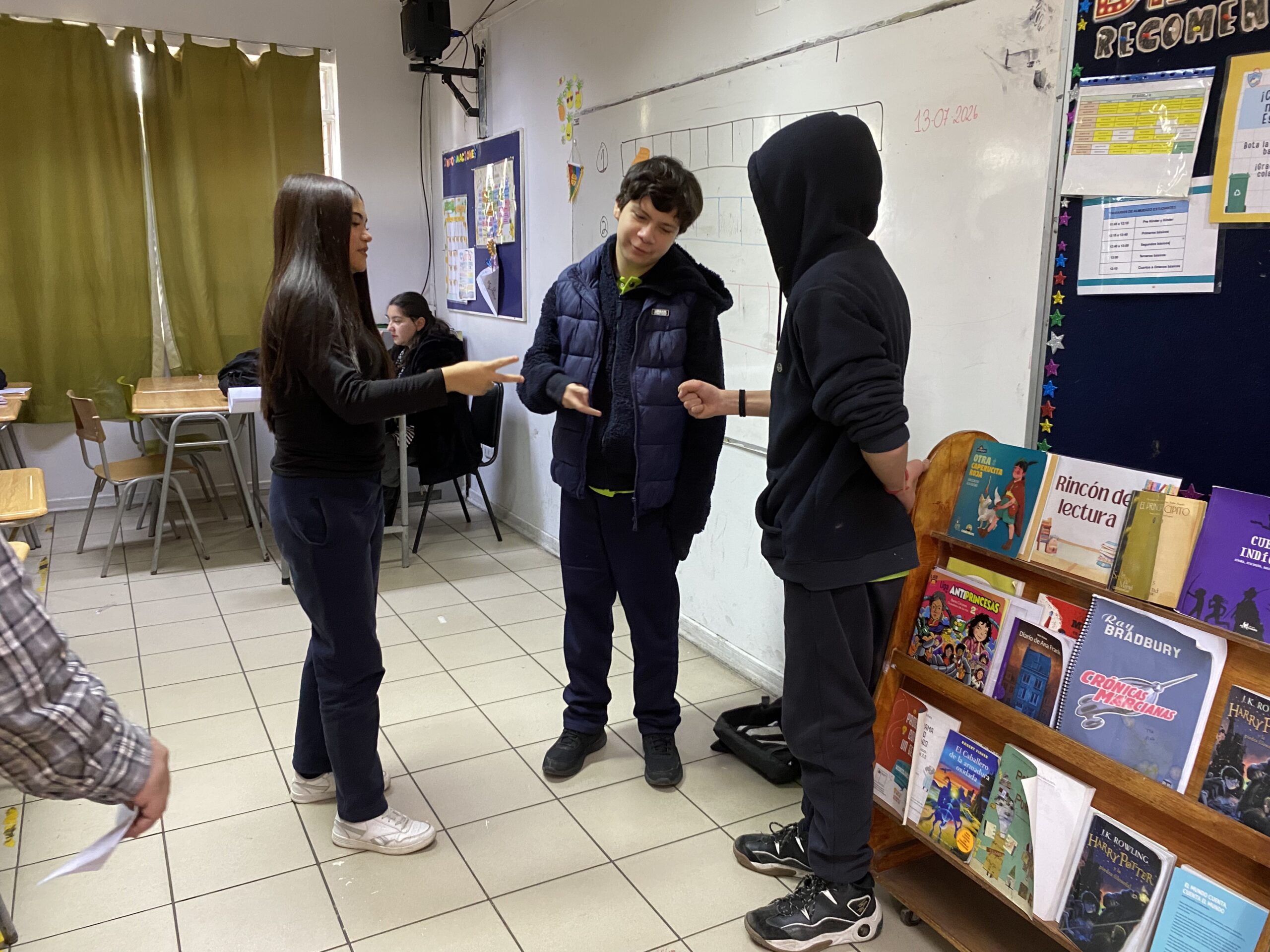 Andrés Suárez, educational coexistence coordinator at Fray Camilo Henríquez, said: “As a school, we accepted the invitation to participate in the PIDEE workshops with great interest because they align with the formative work we do with our students every day. We believe it is fundamental to teach children and teenagers, from an early age, about the topics that help them understand their rights and responsibilities. Talking about rights, responsibilities, and participation builds critical thinking, supports respectful dialogue, and gives them the tools to express their opinions, make informed decisions, and play an active role in society.”
Lusia López, head of the technical-pedagogical unit (TPU) at República de Indonesia, explained that the management team only recently took on this role at the school, “so we wanted to place a different emphasis on participation. It’s one of the areas we want to focus on. In contexts of vulnerability, we care a great deal about the connection between the instructor and the students, and in this case that bond made everything else possible. The teacher has a strong rapport with the kids, and that emotional component is indispensable. There was a lot of participation and motivation among the students. It was something new and appealing to them. Now we need to see what the impact on the school is. Evaluation is the task at hand.”
 Rights must be applied!
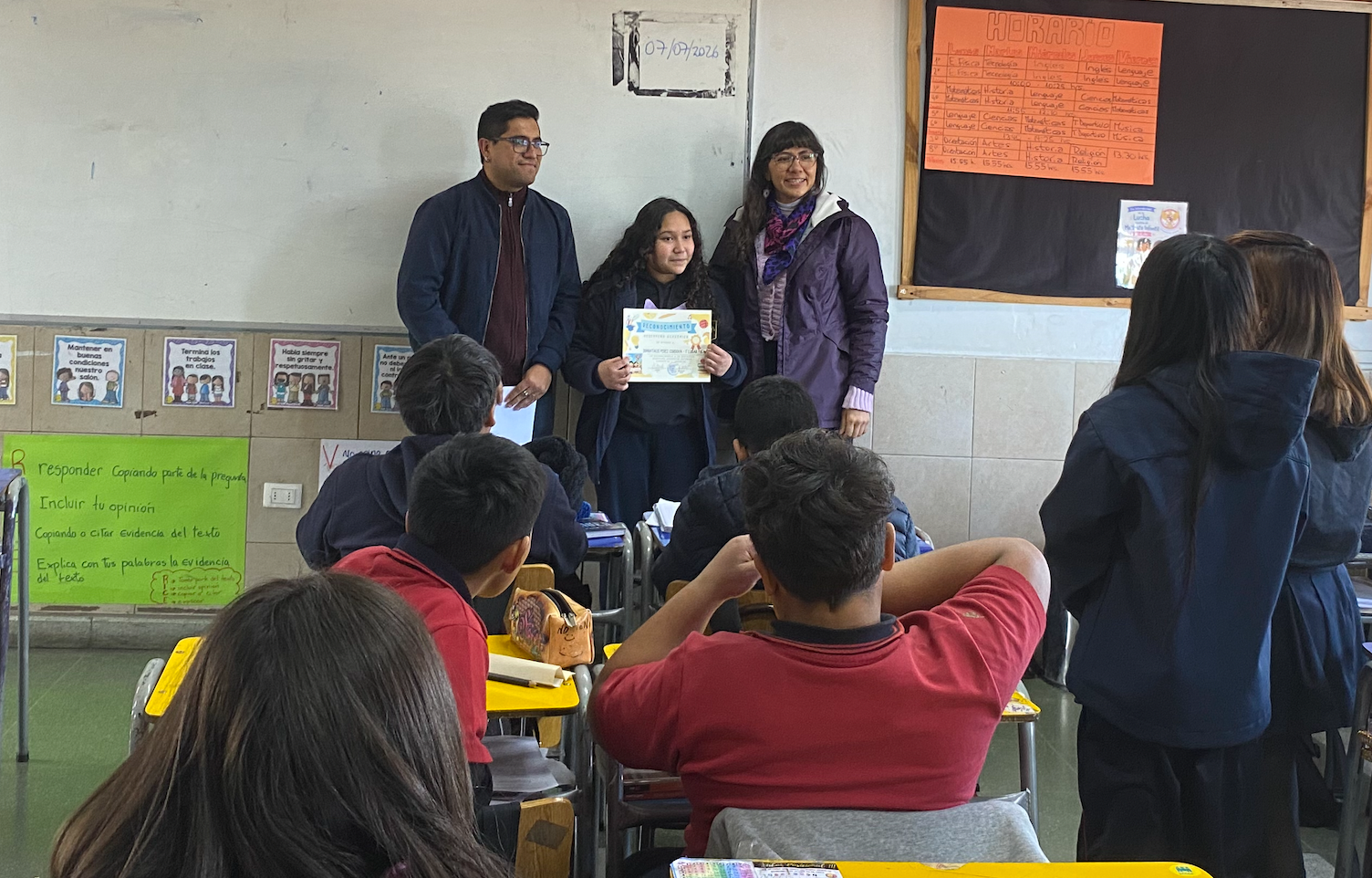
It’s mid-July, and the 6th graders at República de Indonesia are welcoming their teacher, Charlotte, an instructor from PIDEE who has been teaching them the fundamentals of human rights and the national and international systems that seek to protect them. Today is the last day of the program, and it’s time for the participatory evaluation. The students complete a brief survey about their experience and what they have learned over the past few months. In conversations with some of them, we were able to explore the topic a bit further.
Luis González, 12: “I’ve learned a lot about children’s rights and adults’ rights. Before, I didn’t know anything because, honestly, it didn’t interest me. Now there are rights I’d like to see applied more. They exist, but they aren’t applied much, like the right to health. There are people who are sick and can’t afford their medical bills, and that’s where the law has to step in and provide free care and whatever else is needed.”
Elizabeth Palma, 12: “It’s necessary to understand how the education system is structured and how it addresses children’s rights, because that’s how you see that people’s rights aren’t being taken into account. I’ve been interested in this topic for a while because I wanted to be a lawyer, and these classes have helped me deepen my understanding and have bigger conversations about it.”
Hugo Ovalle, the course’s head teacher, explains that since the program started there has been “a considerable change. It’s important to understand the context these kids live in. They’re vulnerable, not only economically but socially and culturally, and they face a lot of discrimination as well. The workshop has helped a great deal in familiarizing them with different concepts: that they have rights and responsibilities, that they have to respect people despite their differences, and how to recognize when their rights are being violated. And it all happens in a playful setting, with lots of games, videos, and arts and crafts. That created a strong connection between the students and the course.”
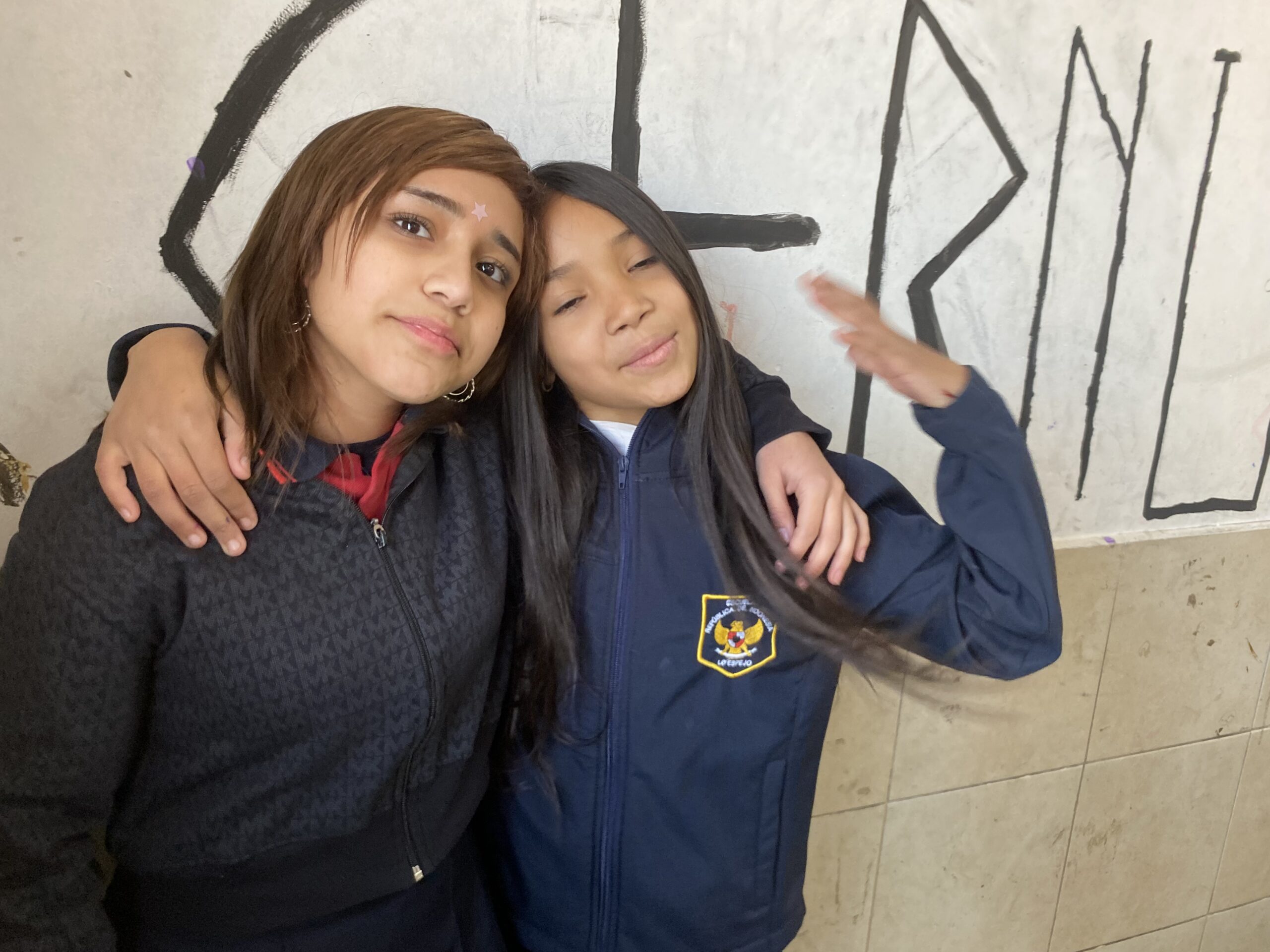 The way a school is set up is just as important for achieving positive results. Andrés Suárez, from Fray Camilo Henríquez, recalls that “at our school, teaching children’s rights is a multidisciplinary effort that forms an integral part of our students’ education. The topic isn’t covered only in history classes, but also in language, science, and [guidance], and in the second semester, through the community connection workshop. The PIDEE workshops reinforce this work by providing an expert perspective and participatory methods that allow students to learn in a meaningful way. Besides learning their rights, they develop dialogue skills, express their opinions, learn to respect different points of view, and understand that coexistence and community life also come with responsibilities.”
By drawing on a wide range of educational and technological resources, these learning experiences can also contribute across the curriculum. For example, the workshops at Clara Estrella helped strengthen students’ reading and writing skills, which they had been taught in previous years.
In this way, children and teenagers develop skills and knowledge that are fundamental to functioning in both their school and home environments. They are able to assert their rights while becoming more aware of the importance of solidarity and respect for others in strengthening their community.
Paulina Vera P.