Cuba, the shortage as a form of life
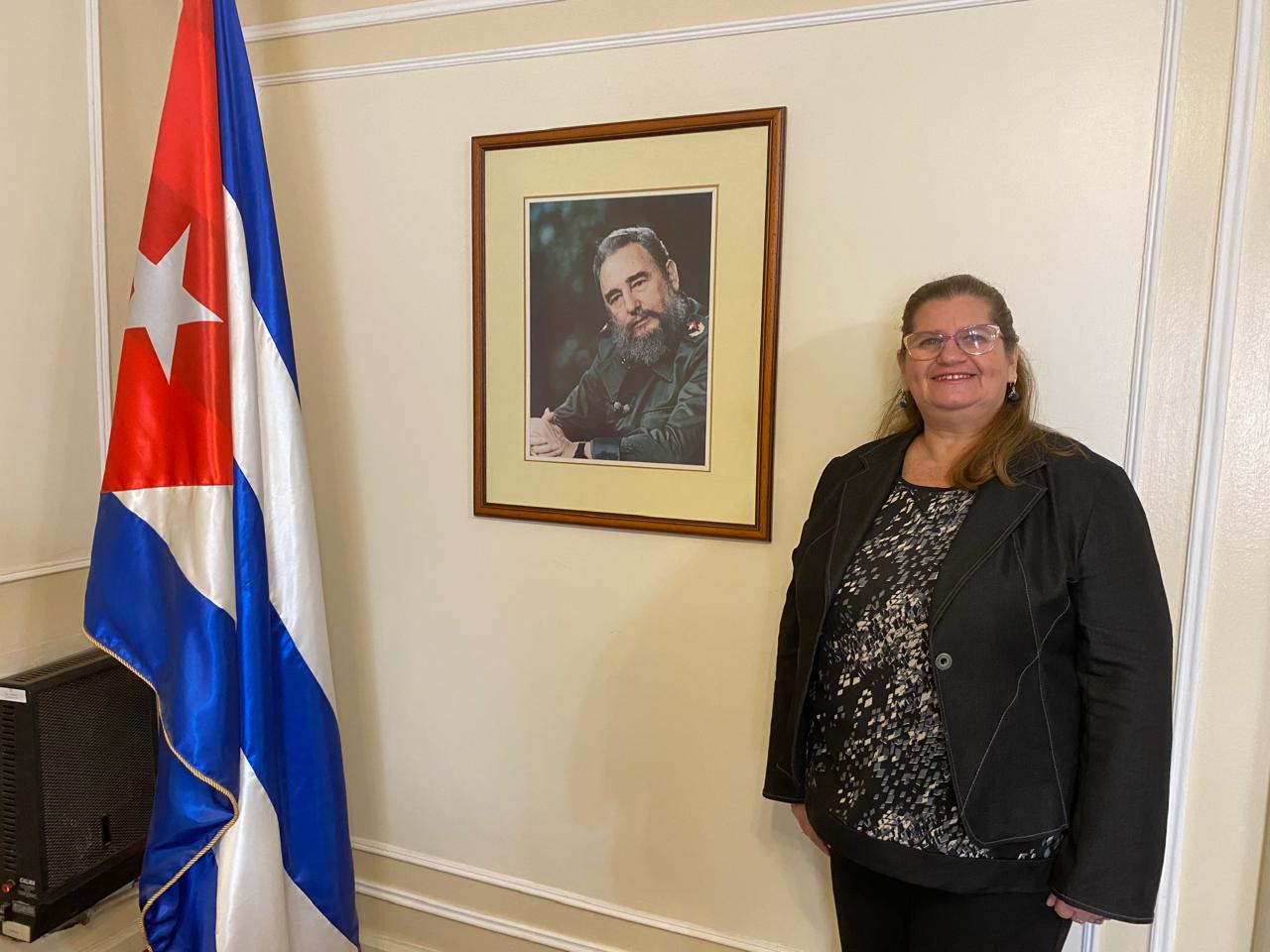 Rosario Rodriguez, First secretary of the Cuban Embassy in Chile speaks about the humanitarian situation that children are facing on the island as a result of the United States’ blockade.
The cuban people have a long history of both economic and political sanctions that spans more than 60 years. Since the birth of the revolution that toppled the Fulgencio Batista’s dictatorship, its development as a nation has been restricted by administrations from the US.
The first secretary of the of Cuban Embassy in Chile, Rosario Rodirguez, details the range of the current crisis. “There isn’t one sector of social and economic of life that isn’t affected by the blockade. Most people here were born and have lived under attack from this criminal policy, which directly affects their wellbeing, quality of life, and their rights.”
From the hardships of the “Special Period” to the current energy crisis and the following humanitarian crisis, the Cuban people have faced strong restrictions that have threatened the development of the country for decades.
In the context of the shortage, the most vulnerable communities have been prioritized, with children as a central focus. For example, this applies to the food provisions for young children, which for now have successfully given access to powdered milk to children 0 to 2 years old. The challenge is increasing the age range to reach at least children 6 years of age.
To that end, many solidarity movements from different countries in Latin America have been reignited over the last few months. Aid shipments have arrived from Mexico, Brazil, Columbia, and Chile, both from government agencies and from civilian organizations. These shipments, usually food and other basic supplies, are providing much needed relief for the island’s needs.
Additionally, after weeks of extreme shortages, a Russian oil tanker carrying 740,000 barrels of the of the precious commodity arrived in late March. It provides temporary relief, as Cuba is only producing 40% of the 100,000 barrels needed to meet the island’s energy needs. But this works along side the other medium- and long-term efforts that are being implemented.
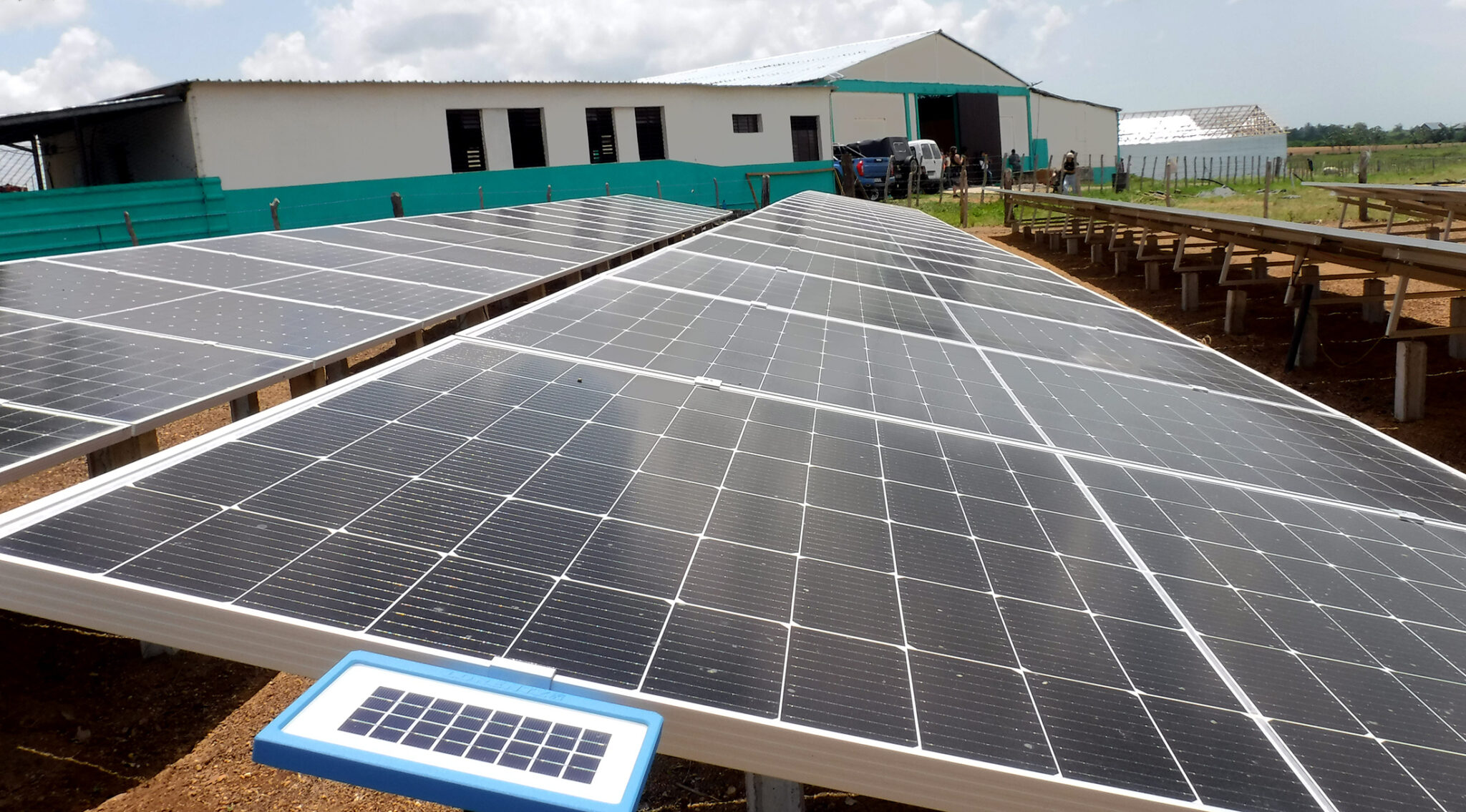 With the help of capital from China and other countries, the installation of solar panels has started on the island, especially in hospitals and other crucial locations. Additionally, the use of biogas and other alternative sources of energy have been incrementally introduced.
“The United States hopes to exert pressure through the use of deprivation, but the Cuban people are conscious of this. Cubans have been raised during a revolutionary process, and they have the spirit of resistance,” she assures.
In reality, the immense majority of the Cuban population was born and has lived under these conditions for their whole lives thanks to the United States’ blockade, because of this, they have learned to carry on with their lives while adapting to the adversity.
Conditional Right to Education
The education system has been one of the most affected in all aspects, and it has had to cope with material limitations such as a lack of textbooks, notebooks, maps, laboratory equipment, as well as technology like computers. Additionally, the infrastructure has deteriorated, particularly given the limited capacity to rebuild or maintain building damaged or worn down by the passage of time.
“Amidst the shortage, priority has been given to early childhood,” Rodriguez assures, which is why the focus has been on providing children of the earliest grade levels with the essentials that they need, like uniforms and other school supplies.
Hybrid schooling has also been adopted, especially in college level education, just as they have been in the professional setting alongside reduced work hours where possible. A special concern is the situation of children with special needs, as materials such as Braille machines, wheelchairs, hearing aids, and other devices are becoming increasingly scarce.
Despite these barriers, the country has managed to keep education and health indexes comparable to other developed nations. In collaboration with UNICEF, which has offices on the island, they conduct continuous monitoring of different aspects of children’s well-being.
Amongst other detectable indicators, Cuba remains amongst the 35 countries with the lowest infant mortality rates, and it was the first to eliminate mother to child transmission of HIV and congenital syphilis. Despite all of these difficulties, the system of family doctors serving each community remains in place, which allows for the efficient implementation of vaccinations programs and other basic medical services.
In fact, during the COVID-19 pandemic, the doctors of the island developed their own vaccination, which allowed them to immunize the entire population, including children.
“The country hasn’t stopped, it has continued to function. It has adjusted based on the availability of resources,” says Rosario Rodriguez.
However, the decades of the blockade leave a tangible mark in the long term. “Cuban children are currently the sons and daughters of parents who were also born during a blockade, therefore the consequences of that blockade and the need to adapt in order to survive have led them to share that with their children and raise them based on their own experience of scarcity of all kinds, not only material but also psychological,” says the Embassy Secretary.
“Cuban society continues to look for ways to reorganize, survive, and face the crisis through solidarity and social creativity,” she concludes.
✍🏾 Paulina Vera P.